


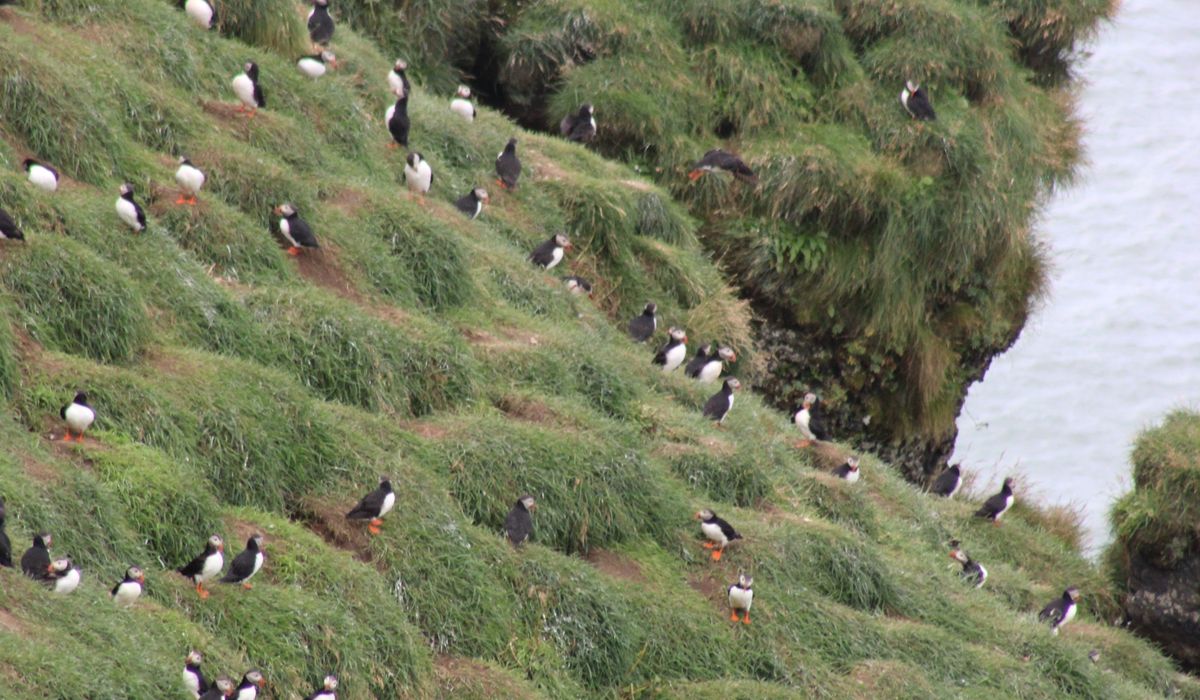
There is something quietly magical about standing on a wind-bitten cliff edge in June, watching thousands of guillemots swirl around a sea stack while puffins potter about at your feet. Britain's islands hold some of the most spectacular seabird colonies in Europe, and with a bit of forward planning you can enjoy them without causing harm to the very birds you have come to see. The trick is to treat the trip like a small expedition rather than a casual day out.
Start With the Tide Table, Not the Ferry Timetable
On many islands, the tide dictates everything. Causeways to places like St Michael's Mount in Cornwall or Lindisfarne in Northumberland are submerged twice a day, and the safe crossing window can be as short as two or three hours either side of low water. Even where you are arriving by boat, landing stages and slipways can become unusable at certain states of the tide, and rocky shorelines that look inviting at low water turn into inaccessible cliffs with a rising swell.
Before booking anything, look up the tide times for your chosen date and note the height of low and high water, not just the clock times. Spring tides, which occur around new and full moons, produce the biggest range and the strongest currents. Neap tides are gentler but can leave some landing points high and dry. Cross-reference this with sunset times, because being stuck on an island after dark with no shelter is a genuine safety issue, not just an inconvenience.
Remember that island weather changes fast. A flat calm morning can turn into a force six by mid-afternoon, and small ferries are frequently cancelled at short notice. Build a spare day into your itinerary if you possibly can.
Book Ferries Early and Confirm the Details
Popular crossings to birdwatching islands sell out weeks in advance during the breeding season, particularly on weekends and school holidays. When you book, ask specifically about:
- Whether the service takes foot passengers only, and whether you need to reserve a specific sailing.
- Whether boats can be cancelled for weather, and what the refund or rebooking policy is.
- Any luggage limits, since optics, tripods and cool boxes add up quickly.
- Whether the island has a shop, fresh water or any facilities at all.
Some smaller islands run only a few sailings a week, and a handful are reached by chartered boat from a mainland harbour rather than a scheduled service. Confirm your return leg in writing if you can, and have a contingency plan involving a nearby mainland reserve.
Respect Nesting Closures and Local Restrictions
This is the heart of responsible island birding. Seabirds are at their most vulnerable between April and August, and many colonies operate voluntary or legal restrictions to protect them. These might include:
- Landing bans on certain islands or islets during peak nesting, even if you can see the birds from a boat.
- Path closures that steer visitors away from fragile burrows, such as those used by Manx shearwaters and storm petrels.
- No-go zones around cliff ledges and sea stacks, often marked by buoys or shore markers.
- Dog restrictions, which are usually total on reserve islands during the breeding season.
- Drone bans on almost all nature reserves, and increasingly on entire islands.
Always check the island's own website or visitor information before you travel, and read the notices at the landing point carefully. If a warden or volunteer asks you to move back, do so without argument. Disturbance can cause adults to leave eggs or chicks exposed to gulls and cold, and a single careless approach can wipe out a season's breeding success for a whole section of the colony. Stay on marked paths, keep your distance, use a scope rather than your feet, and never handle a chick that appears abandoned.
Time Your Visit to the Season and the Day
Late spring and early summer offer the best of both worlds: adults in breeding plumage, busy courtship displays, and long daylight hours. Puffins are typically present from April to July, with numbers peaking in June. Guillemots, razorbills and kittiwakes are on ledges from May onwards, while terns arrive later and often nest into August.
Early morning is usually the quietest and most productive time. Birds are feeding actively, the light is softer, and you will have the paths largely to yourself. Avoid the middle of the day in high summer, when heat haze spoils long views and visitor numbers swell. On tidal islands, plan your birding around the safe crossing window rather than trying to squeeze in one more headland.
Pack for Wind, Sun and Sudden Showers
Island weather demands layers. A waterproof shell and a warm mid-layer will earn their place in your bag even in July. Bring a hat with a brim and secure it with a chin strap, because exposed clifftops funnel the wind. Sturdy boots with good grip are essential on wet rock and steep grass.
For optics, a 10x42 binocular is ideal for seabirds, and a spotting scope will transform your views of rafts and distant ledges. Take more water than you think you need, plus high-factor sun cream, a packed lunch with no strong-smelling food that might attract gulls, and a small first aid kit. A tide table printout and a paper map are sensible backups when phone signal disappears.
Watch, Learn and Leave No Trace
Take nothing but photographs and leave nothing but footprints. Do not collect feathers, eggs or shells from protected sites, and keep your distance from nests even if you spot one by accident. If you find an injured bird, contact the relevant local wildlife organisation rather than attempting a rescue yourself.
Above all, slow down. Sit quietly on a headland for twenty minutes and the colony will forget you are there. That is when the real spectacle begins: the comings and goings, the squabbles, the first clumsy flights of a young puffin heading out to sea. Planning properly is what makes that moment possible, both for you and for the birds that return year after year.


Leave a reply