


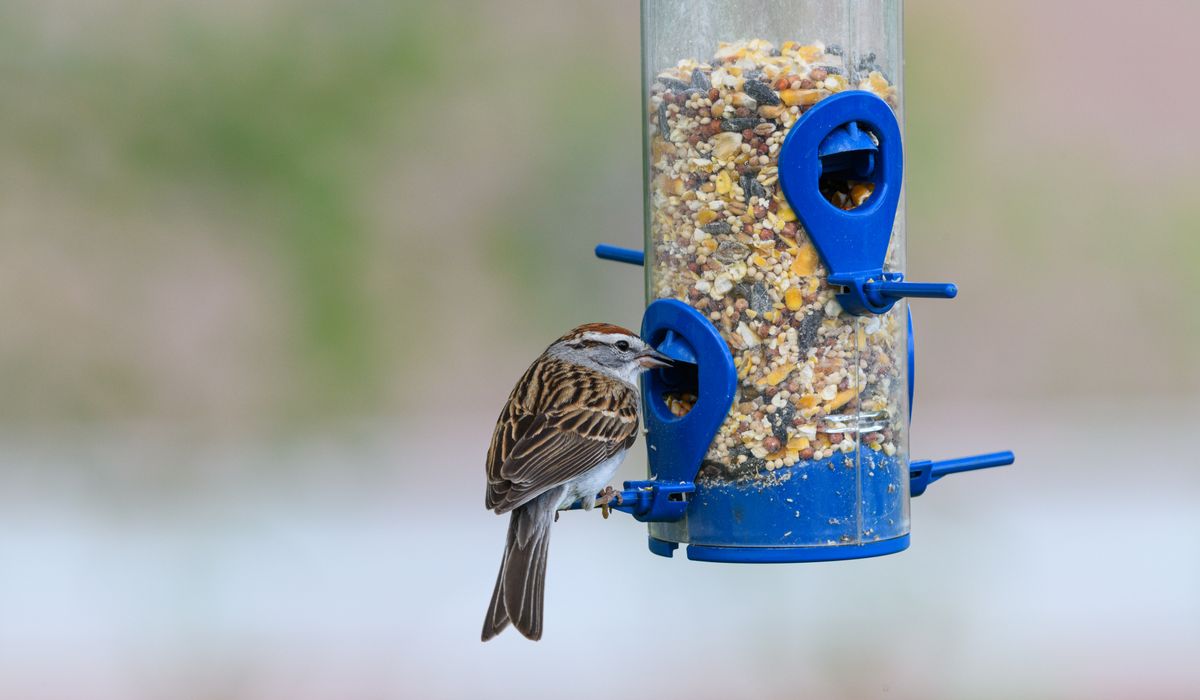
Why the right seed matters
Walk down the bird food aisle and you will see everything from a £3 sack of "wild bird mix" to a premium bag of sunflower hearts. The difference is not marketing fluff. Cheap mixes are usually padded out with fillers that most garden birds cannot or will not eat, and whatever they leave behind ends up on your lawn, where it sprouts, goes mouldy, or draws in rats and pigeons.
Getting the seed right means less waste, less mess, fewer pests, and far more birds on your feeders. The good news is that you do not need to spend a fortune; you just need to know which species you are feeding and what they actually eat.
Know your garden regulars
Before you buy anything, spend a few minutes watching what already visits. Most UK gardens host a core cast, and each has its own preferences.
- Robins are ground and table feeders. They prefer a flat tray at about waist height or lower, and they love dried mealworms, suet crumbs and small, husk-free seed.
- Blue tits, great tits and coal tits are acrobats that will hang from anything. They go mad for sunflower hearts, peanuts and suet pellets.
- Goldfinches want nyjer seed from a dedicated feeder with tiny ports, though many will happily switch to sunflower hearts.
- Chaffinches and greenfinches are bigger, heavier finches that do best on sunflower hearts and larger seeds from a hanging feeder or tray.
- House sparrows are sociable and prefer a feeder with a decent perch and a generous tray; a good quality no-mess mix suits them well.
- Blackbirds, dunnocks and robins rarely use hanging feeders at all, so a ground tray is essential if you want them.
The seeds worth buying
If you want a simple rule, sunflower hearts are the single best all-round purchase. They are the kernel without the husk, so there is no shell debris under the feeder, no sprouting, and nearly every seed-eating garden bird will take them. Black sunflower seeds are cheaper but leave a carpet of husks and germinate enthusiastically wherever they land.
Beyond hearts, these are the ones that earn their place:
- Nyjer seed for goldfinches and siskins. It is fine and expensive, so only offer it in a proper nyjer feeder — otherwise it pours straight through and is wasted.
- Peanuts for tits, nuthatches and woodpeckers. Always buy from a reputable supplier, never salted or roasted, and use a mesh feeder so birds take small pieces rather than whole nuts.
- Suet pellets and fat balls for year-round energy, especially in cold snaps, during the breeding season and through the moult.
- Dried mealworms for robins, blue tits and pied wagtails. Soak them in warm water for a few minutes in spring to make them easier for chicks to swallow.
- Millet and canary seed in small quantities for sparrows and finches.
How to spot a poor-quality mix
Read the ingredients list rather than the picture on the bag. If the first two or three items are wheat, red milo, maize, split peas, dari or whole oats, put it back. These are cheap agricultural fillers that most small garden birds cannot crack open. You are effectively paying for sweepings that will rot on the grass.
A decent mix should list sunflower hearts, millet, canary seed, hemp, nyjer or peanut granules near the top. Look for bags that are clear about what is inside, smell fresh and nutty rather than musty, and are free of dust and clumping. Damp seed is a false economy and a genuine health risk.
Match the seed to the feeder
Feeder design matters as much as the seed itself. Sunflower hearts flow well through almost any hanging seed feeder. Nyjer needs a feeder with ports so small that the seed barely fits. Peanuts need mesh. Suet needs a cage or a dedicated holder. Ground-feeding birds need a tray with drainage holes, raised a little off the soil so food does not sit in wet earth.
If squirrels are a problem, invest in a baffled or weight-activated feeder rather than buying cheap mixes containing maize, which squirrels adore. Position feeders within a metre or two of a shrub or hedge so birds can dash for cover, but not so close that cats can lie in wait underneath.
Keeping things clean and sensible
Bird tables and feeders need a routine. Wash plastic and metal feeders every fortnight with hot soapy water, rinse thoroughly and let them dry before refilling. Rotate feeding positions around the garden so droppings do not build up in one spot, and clear spilled seed from the ground regularly.
Only put out as much as the birds will clear in a day or two. Mouldy food spreads disease, and conditions such as trichomonosis have hit greenfinches hard in recent years. If you see a bird looking fluffed up, lethargic or struggling to swallow, take your feeders down for a fortnight, clean them thoroughly and allow the birds to disperse.
Finally, never forget water. A shallow dish, refreshed daily and kept ice-free in winter, will bring in species that never touch your seed at all.


Leave a reply