


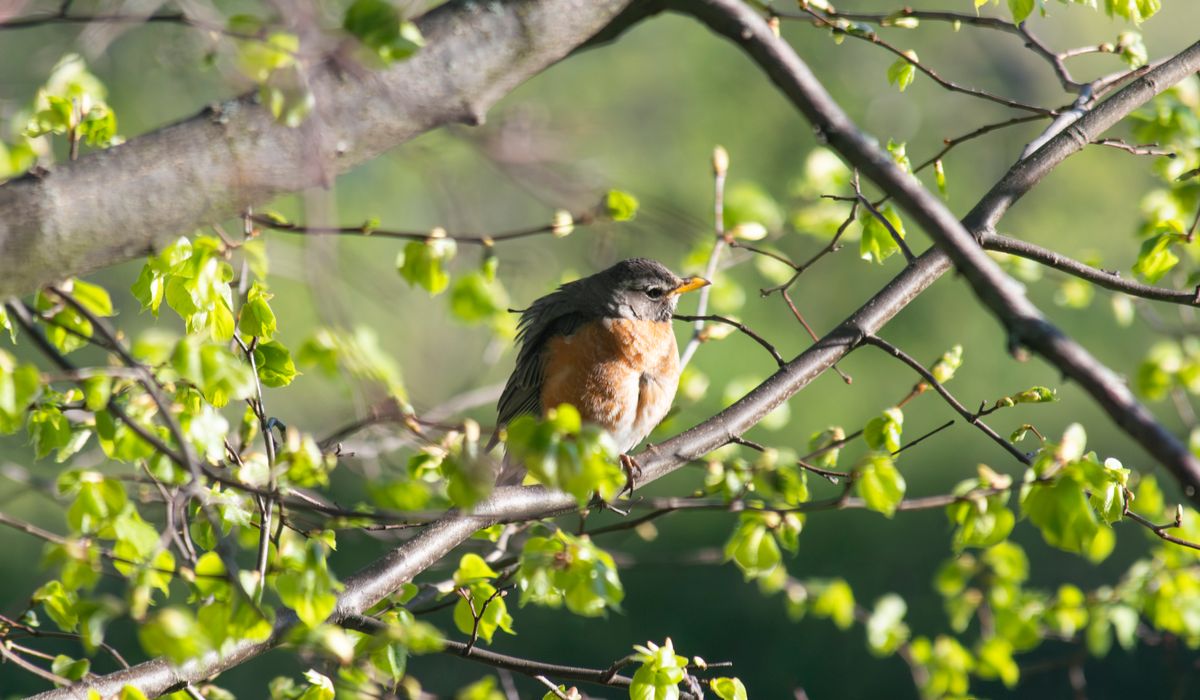
Why These Thrushes Turn Up in Winter
Every autumn, as the days shorten and the first real frosts creep in across Scandinavia and Iceland, two species of thrush begin drifting west and south towards our shores. Redwings and fieldfares are cold-weather specialists, and Britain and Ireland sit right on the western edge of their winter range. They arrive from late September onwards, with numbers building through October and peaking between November and February.
They come for two simple reasons: food and milder conditions. Our winters are generally softer than those in their breeding grounds, and our hedgerows, orchards and parks offer a generous larder of berries and fallen fruit. In a hard winter, when the Continent freezes over, they keep coming — sometimes in what birdwatchers call a "hard-weather movement", when thousands drop in overnight. If you have never noticed them before, a sharp cold snap is often the moment they appear in your garden.
Telling a Redwing from a Fieldfare
Both are thrushes, roughly blackbird-shaped, but once you know what to look for they are straightforward to separate. Size is the first clue: a fieldfare is noticeably bigger and chunkier, closer to a mistle thrush, while a redwing is smaller and daintier than a song thrush.
- Redwing: dark brown above, with a bold creamy stripe above the eye and a rich rusty-red patch on the flank, just under the wing. The breast is spotted and the throat creamy with fine streaks. Its call is a thin, high tseee, often the first thing you hear on a dark winter morning.
- Fieldfare: grey head and grey rump, chestnut-brown back, and a heavily spotted breast on a warm buff background. The tail is dark. Its call is a loud, harsh chack-chack, often given in flight and easy to learn.
Flight calls matter more than you might think. On a grey January afternoon you will often hear a flock long before you see it, and picking out the two calls is the quickest way to know what has just flown over.
Where to Look: Hedgerows, Orchards and Playing Fields
Redwings and fieldfares are birds of open country and hedgerow, not dense woodland. In the wider countryside, look along hawthorn and holly hedges, in old orchards, on stubble fields and on rough pasture. Fieldfares often feed out on grass, hopping and running in loose flocks, while redwings tend to stay closer to berry bushes and the edges of fields.
You do not need to travel far. Good local spots include parkland, golf courses, allotments, playing fields, churchyards, canal towpaths and even large roundabouts and supermarket car parks planted with berry-bearing shrubs. Anywhere with a decent crop of hawthorn, rowan, cotoneaster or ivy is worth a slow ten-minute scan on a frosty morning. Early morning and the last hour of daylight are usually most productive.
What They Eat and How to Help in the Garden
These are largely fruit-eating thrushes in winter, and that shapes how you can attract them. They are far less interested in seed than finches or tits. If you want redwings and fieldfares in your garden, think berries and apples.
- Plant berry-bearing natives and neared-natives: hawthorn, holly, rowan, guelder rose, ivy and cotoneaster are all excellent.
- Leave windfall apples on the lawn. Fieldfares in particular love a rotting apple, and a few halved apples placed on the grass or a ground feeder will often bring them in.
- Offer soaked raisins or sultanas, and a little soft fruit, on a ground tray rather than a hanging feeder.
- Keep a shallow dish of unfrozen water available during cold spells — it is easy to overlook and genuinely valuable.
- Resist the urge to tidy everything. Fallen fruit, leaf litter and ungrazed hedgerow corners all hold food and shelter.
Do remember that both species are shy. They tend to hang back while blackbirds and song thrushes feed confidently, so watch from a window rather than standing in the open.
Reading the Flocks and the Weather
Winter thrushes rarely travel alone. Mixed flocks of redwings, fieldfares and resident blackbirds, song thrushes and mistle thrushes are common, and a berry bush can hold twenty birds at once. When the ground freezes hard, fieldfares abandon the fields and move into gardens and hedgerows; when it thaws, they drift back out again. Watching this ebb and flow is one of the quiet pleasures of a British winter.
Listen for the chack-chack overhead on a clear, cold morning — that harsh note often signals a flock moving at height, sometimes hundreds strong. Keeping a simple notebook of dates, counts and weather conditions will, over a few winters, tell you a great deal about how these visitors use your patch.
Recording What You See
Your observations are more useful than you might assume. National garden bird surveys and local bird records rely on ordinary birdwatchers noting what turns up and when, and winter thrushes are a genuinely valuable part of that picture, because their numbers vary so much from year to year.
So the next time you hear an unfamiliar tseee from the top of a bare tree, or a chorus of scolding chacks from the hedge at the end of the road, take a second look. You are probably watching birds that hatched in a Scandinavian birch wood or on an Icelandic hillside, and they have chosen your corner of Britain to see out the winter. A few apples on the lawn and a little patience are all it takes to make them welcome.


Leave a reply