


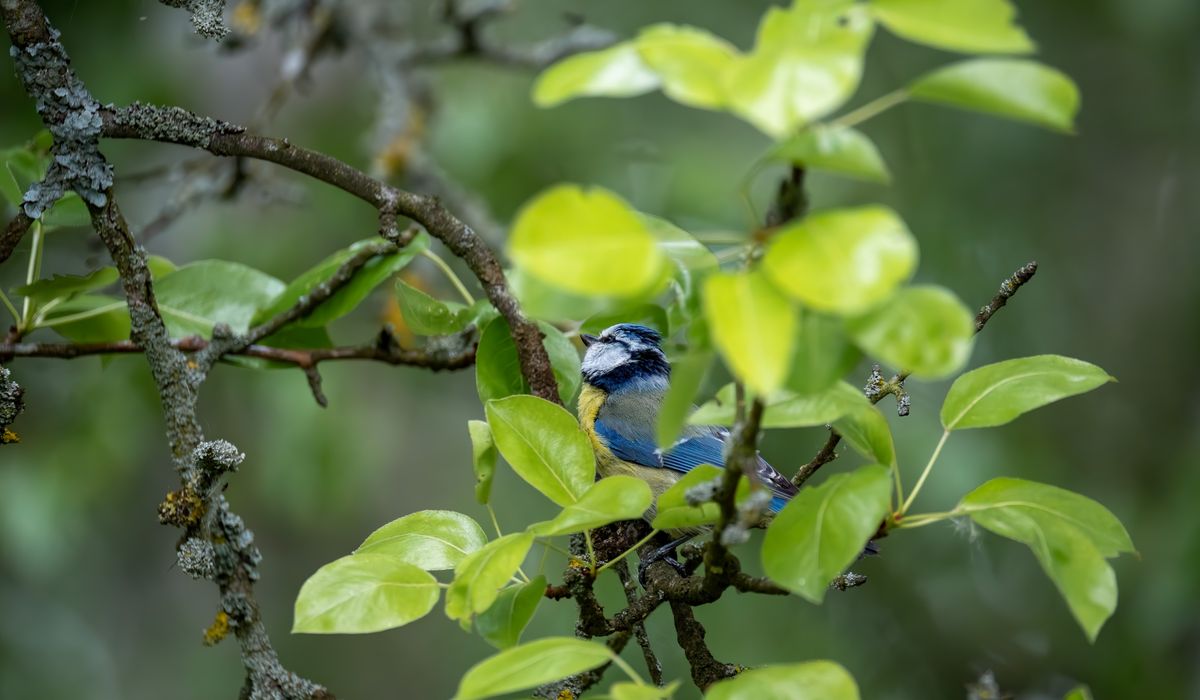
The Quiet Weeks of Late Summer
If your garden has gone oddly silent in recent weeks, you are not imagining it. Late summer is the moulting season, and for many of our familiar garden birds it is a time of retreat, secrecy and scruffy plumage. Chaffinches hop about looking moth-eaten, blue tits sport gaps in their crowns, and the dawn chorus fades to almost nothing. It can look alarming, but it is entirely normal — one of the most demanding periods in a bird's year.
Feathers are extraordinary structures, yet they are also dead tissue once fully grown. They cannot repair themselves, so they fray, fade and lose their insulation and waterproofing through months of use. To stay warm, dry and airborne, every bird must replace its plumage at least once a year. For a small songbird, that means growing a whole new set of feathers — roughly a tenth of its body weight in protein-rich material — in the space of a few weeks.
Small wonder, then, that birds go quiet. Singing, defending territories and chasing rivals all take a back seat while the body invests its energy in feathers.
A Year in Feathers: The Moulting Calendar
Most British garden birds follow a predictable post-breeding moult, timed so that the work is finished well before winter. The general pattern runs from late June through to October, though individual timings shift with weather, food supply and whether a pair managed a second brood.
- Blue and great tits usually begin in mid-June and finish by early September, which is why they vanish from feeders for a few weeks.
- Robins moult through July and August, becoming secretive and unusually quiet — the very opposite of the bold bird you hand-fed in spring.
- Blackbirds, song thrushes and starlings tend to moult between July and September, often producing odd bald patches around the head.
- Finches and sparrows generally moult a little later, from August into October.
- Juvenile birds undergo a partial moult in their first late summer, swapping baby fluff for first-winter plumage. They often look blotchy and half-finished.
Some species also manage a second, lighter moult in late winter or early spring, refreshing the feathers that matter most for display. Robins, blackbirds and starlings do this, which is why they look particularly smart by March. On a garden pond, male mallards take things further still: in summer they moult into a dull, female-like eclipse plumage and lose their flight feathers all at once, leaving them unable to fly for three or four weeks.
Why Some Birds Look Alarmingly Bald
Every few summers, gardeners report blue tits or great tits with completely bare heads — pink skin, a beak and a bewildered expression. It looks distressing, but it is usually nothing to worry about. Head feathers can drop simultaneously rather than in the usual gradual sequence, and the new ones push through within a fortnight or so. Feather mites and other parasites may occasionally be involved, but most bald-headed tits recover fully with no intervention.
What you should avoid is trying to catch or handle these birds. They are under enough strain without the added stress, and a bird with reduced feather cover has less protection against cold and wet. Keep feeders and baths clean, and let nature take its course.
Feeding and Caring for Moulting Birds
Growing feathers demands protein, and lots of it. This is the one time of year when a high-protein menu genuinely makes a difference to what you see at the feeders.
- Mealworms — live or dried — are ideal. Soak dried ones in warm water first.
- Sunflower hearts and pinhead oats offer easy calories without wasteful husks.
- Suet pellets and cakes suit insect-eaters such as tits and woodpeckers, though avoid them in warm weather when they can turn rancid.
- Niger seed tempts goldfinches and siskins, both of which moult late.
Water matters just as much. Birds bathe to soften and shed the waxy sheaths around new feathers, and a shallow, clean bath is one of the kindest things you can provide in August. Refresh it daily and scrub it weekly — moulting birds are especially vulnerable to infection.
Moulting Beyond the Bird Table
Birds are not the only garden residents renewing their coverings. Hedgehogs shed and replace their spines gradually, so you are unlikely to notice, though you may find the odd loose spine in a favoured corner. Grass snakes and slow worms shed their skins in one piece, leaving a ghostly, papery cast in long grass or compost heaps. Frogs and toads shed theirs in shreds and often eat the evidence. Adders and common lizards slough in patches. Even bumblebee queens renew their wing wear is permanent — an old queen with tatty wings is simply near the end of her season.
Practical Ways to Help Right Now
- Keep feeders topped up but not overflowing, and clean them fortnightly with hot soapy water.
- Provide a shallow water bath and top it up daily.
- Leave seed heads on teasels, sunflowers and honesty; they feed finches into autumn.
- Delay cutting hedges until late August or September, once nesting and moulting are done.
- Clean out nest boxes between September and November, ready for winter roosting.
- Resist the urge to tidy every leaf pile — damp corners are prime insect habitat for next year's feathers.
A scruffy bird in August is a bird rebuilding itself for winter. Give it a quiet garden, a clean bath and a reliable supply of protein, and you will be rewarded with a crisp, glossy visitor by October.


Leave a reply