


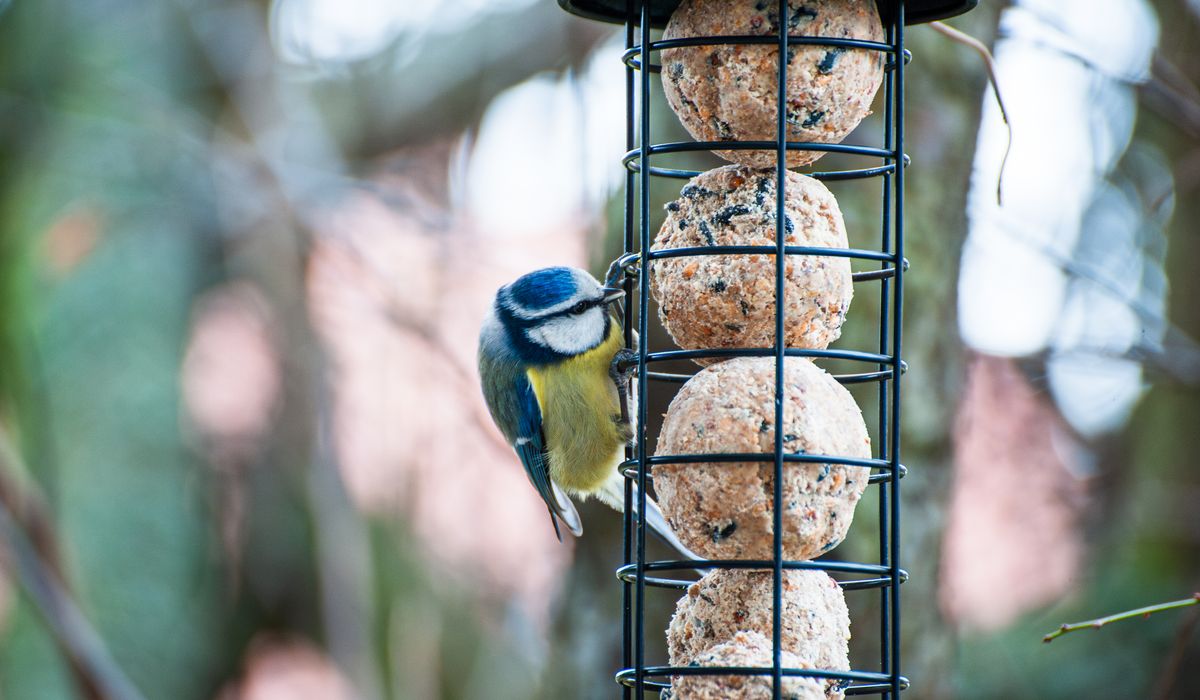
There is a particular pleasure in watching a goldfinch prise seeds from a teasel, or a curlew probing the mud at low tide. But the moment often arrives before you have time to think. A good pair of binoculars turns those fleeting glimpses into proper sightings, revealing the colours, markings and behaviour that make British birdwatching so absorbing. Before you buy your first pair, it helps to understand three things: magnification, lens size and field of view.
What the numbers mean
Binoculars are described by two numbers, such as 8x42. The first is magnification; the second is the diameter of the front lenses in millimetres. A third figure, field of view, is usually printed as metres at 1,000 metres or as an angle. These three numbers tell you more about how a pair will perform than any glossy packaging.
- Magnification (the first number): how many times closer the bird appears. An 8x pair makes a bird look eight times larger than with the naked eye.
- Lens size (the second number): the diameter of the objective lens at the front. Larger lenses gather more light, but add weight and bulk.
- Field of view: the width of the scene you can see at 1,000 metres. A wider view makes it much easier to find a moving bird before it slips into the hedge.
Do not assume that bigger numbers are always better. A pair of 20x50 binoculars might sound impressive, but the image will be dim, narrow and almost impossible to hold steady without a tripod. For hand-held birdwatching, moderation wins.
Magnification: how much do you really need?
For most British birdwatching, 8x is the sweet spot. It gives a bright, steady image and a forgiving depth of field, so you spend less time fiddling with the focus wheel and more time watching the bird. In woodland, where warblers flit through tangled branches, 8x is far easier to use than 10x.
That said, 10x has its place. On a coastal headland or across a large estuary, the extra reach can help you identify a distant diver or a flock of dunlin. The trade-off is a narrower view and more noticeable handshake. If you choose 10x, look for a pair with a wide field of view and a smooth, well-damped focus wheel.
- 8x: best all-rounder for woodland, garden and general walks; steadier and brighter.
- 10x: useful for open wetlands, estuaries and coast; needs a steady hand and good light.
A good rule for beginners is simple: if you mostly watch garden feeders, hedgerows and local woods, choose 8x. If your patch is a windswept reservoir or a tidal flat, consider 10x.
Lens size, light and weight
The second number matters most in poor light. Common sizes are 32mm, 42mm and 50mm. A 42mm lens is the classic all-rounder: bright enough for dawn and dusk, yet light enough to carry for a few hours. A 32mm pair is compact and ideal for long walks, though it will struggle at last light. A 50mm pair gathers plenty of light but can feel like a brick around your neck.
To compare low-light performance, divide the lens size by the magnification. An 8x42 has an exit pupil of 5.25mm; a 10x42 gives 4.2mm. The larger the exit pupil, the easier the image is to see in dim conditions. For garden watching at dusk, when a hedgehog or a late blackbird appears, that extra brightness is welcome.
Weight is not a minor detail. A pair that feels comfortable in the shop may feel heavy after an hour on a coastal path. Look for a wide, padded neck strap, or consider a harness, and always check the balance in your hands.
Field of view and close focus
Field of view is the number beginners overlook most often. A wide field, say 140 metres at 1,000 metres, acts like a large net: you can raise the binoculars and the bird is already in the frame. A narrow field feels like looking through a drinking straw, and by the time you find the bird it has gone. For woodland and garden use, prioritise a wide field over a slightly higher magnification.
Close focus is the other unsung specification. If you want to watch bees on lavender, a robin on a spade handle, or dragonflies at a pond edge, look for a close focus of two metres or less. Many modern pairs focus down to 1.5 metres, which makes them wonderfully versatile for garden wildlife as well as birds.
Matching binoculars to your patch
Think about where you actually watch wildlife, not where you might go once a year. Your local patch should shape your choice.
- Woodland and garden: 8x32 or 8x42, wide field of view, close focus under two metres. Ideal for nuthatch, treecreeper and great spotted woodpecker.
- Wetland and lakes: 8x42 or 10x42, good light gathering and waterproofing. Useful for teal, wigeon, lapwing and heron.
- Coastal and estuary: 10x42 or 10x50, rugged and waterproof, with a steady grip. Helps with gannets, oystercatchers and distant waders.
- All-rounder: 8x42 remains the safest first purchase for mixed British habitats.
Waterproofing is worth having even if you never stand in the rain. Nitrogen-purged, rubber-armoured binoculars resist mist, drizzle and the occasional dunking in a muddy puddle.
Practical checks before you buy
Specifications only take you so far. Hold the binoculars to your eyes and check that the image snaps into a single circle without strain. Adjust the eyecups if you wear glasses, and test the focus wheel with one finger; it should move smoothly, not stiffly or loosely.
- Try before you buy: visit a local nature reserve or birdwatching fair where you can test several pairs outdoors.
- Check the dioptre adjustment: it lets you compensate for differences between your eyes.
- Look for lens coatings: fully multi-coated lenses give clearer, brighter views.
- Consider warranty and servicing: a good pair should last for decades with basic care.
- Keep them clean: use a lens cloth and blower, and store them somewhere dry.
Your first pair need not be expensive. A well-chosen 8x42 will serve you for years, whether you are watching blue tits in the garden or scanning a windswept estuary. Buy for the patch you have, learn its quirks, and let the binoculars become an extension of your eyes.


Leave a reply